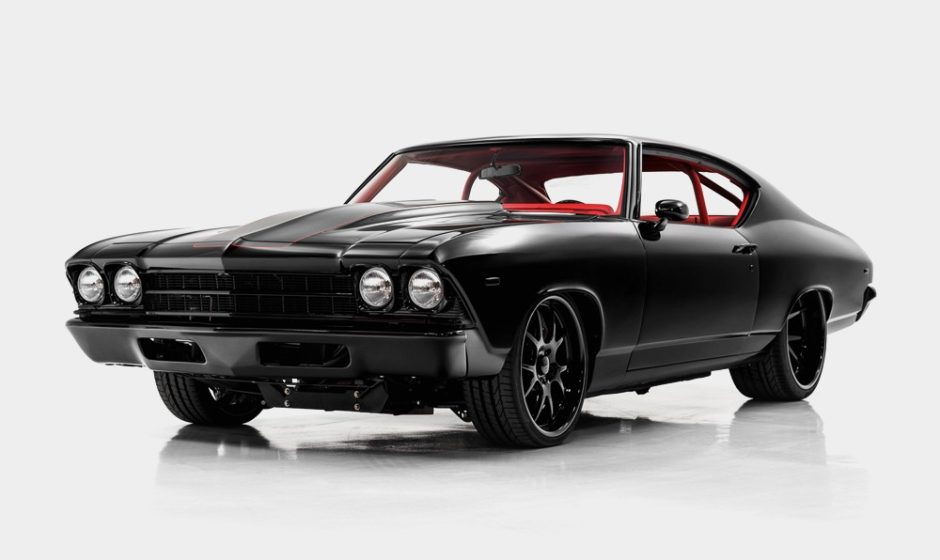

Shelby-badged Mustangs hold a legendary place in automotive history, blending performance engineering with racing heritage. These vehicles are not just enhanced versions of standard Mustangs; they represent a collaboration that transformed an already popular car into a high-performance icon. To understand their legacy, it is essential to explore their origins, evolution, and lasting impact, which together define Shelby badged Mustang history.
The Origins of the Shelby Mustang
The story begins in the mid-1960s, when Carroll Shelby partnered with Ford Motor Company. Shelby, a former race car driver and automotive designer, was known for creating performance-focused vehicles. Ford sought his expertise to make the Ford Mustang a more competitive, race-ready machine.
This collaboration led to the creation of the first Shelby Mustang, the GT350, which debuted in 1965. It featured significant upgrades, including a more powerful engine, improved suspension, and enhanced handling. These modifications allowed the car to perform exceptionally well on both the road and the track.
Performance and Engineering Excellence
Shelby-badged Mustangs are known for their performance-oriented design. Unlike standard models, these vehicles undergo extensive mechanical enhancements.
Key improvements typically include:
- High-performance V8 engines with increased horsepower
- Upgraded suspension systems for better handling
- Enhanced braking systems for improved safety
- Lightweight components to boost speed and efficiency
These features made Shelby Mustangs stand out as true performance cars rather than just stylish vehicles.
Iconic Models and Evolution
Over the years, several Shelby Mustang models have gained iconic status. The early GT350 and the more powerful GT500 became symbols of American muscle.
The Shelby GT500, introduced in 1967, pushed performance even further with a larger engine and more aggressive styling. After a hiatus in the 1970s, the Shelby name returned in later decades, bringing modern technology while preserving the original spirit.
Today’s Shelby Mustangs combine advanced engineering with classic design elements, ensuring they remain relevant in a competitive market.
Racing Heritage and Cultural Impact
Shelby Mustangs were not only built for the road but also for racing. Their success in motorsports helped establish their reputation for performance and durability.
Beyond racing, these cars became cultural icons. They appeared in films, automotive shows, and enthusiast communities, further strengthening their legendary status. The combination of speed, design, and history has made them highly desirable among collectors.
Why Shelby Mustangs Remain Special
The enduring appeal of Shelby-badged Mustangs lies in their unique blend of heritage and performance.
They continue to attract attention because of:
- Their connection to a legendary automotive figure
- Proven performance capabilities
- Limited production numbers, increasing exclusivity
- Strong emotional and historical value
Owning a Shelby Mustang is often seen as owning a piece of automotive history.
Shelby-badged Mustang models represent more than just high-performance vehicles; they embody innovation, collaboration, and racing excellence. From their origins with Carroll Shelby to their modern-day versions, these cars have consistently delivered power and prestige. Their legacy continues to inspire car enthusiasts around the world, making them timeless icons in the automotive industry.