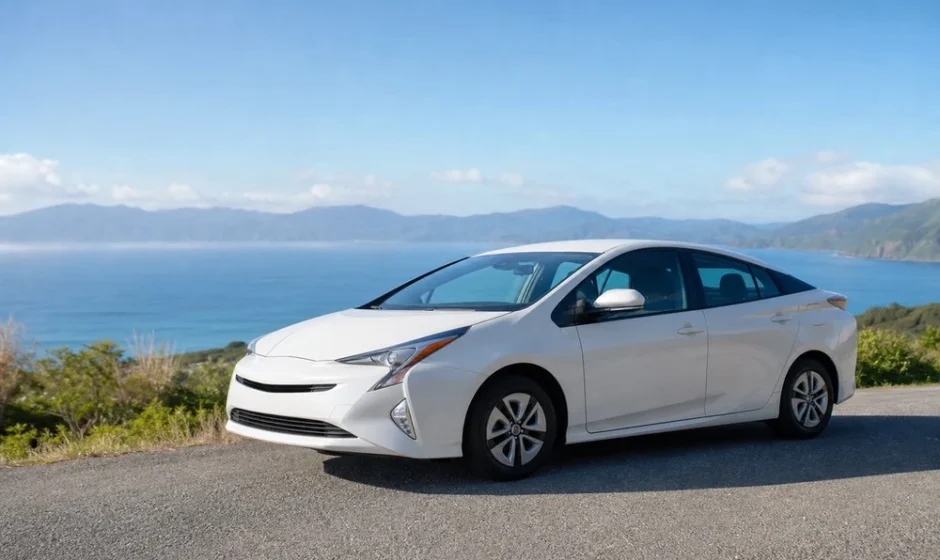

Thinking of hiring a hybrid and want to know more? We’ve answered the most frequently asked questions about rental hybrid vehicles.
Hybrid Rentals and Daily Driving
Wondering how a rental hybrid works? These cars combine a traditional petrol engine with a battery and electric motor, using both to power the vehicle.
Most hybrid cars will automatically switch between using only electric power, only the petrol engine, and a mix of the two, so there’s usually no need for you to alter driving modes yourself. These cars are designed to make the best use of energy available, harvesting some energy during braking, for instance, and use it elsewhere later on, helping the engine out perhaps. This can lead to fuel savings.
A rental hybrid can use less fuel but drive similarly to a standard petrol-powered automatic. If you like the idea of lower-emission motoring but don’t fancy renting a fully electric car (visit to learn more about electric vehicles), with its need for charge stops and consideration for battery range, a hybrid rental car could be ideal.
You may not find there’s much difference between driving a rental hybrid and an automatic. Some do get very quiet at low speeds, for example, which may take some getting used to.
When Does a Hybrid Rental Make Sense?
If you’re replacing your own car temporarily and yours happens to be hybrid, a similar rental type will feel most comfortable. Hybrid rental cars can also make sense for:
- Drivers are planning lots of slower-paced motoring and stop-start conditions. Hybrids can shine in these situations and on shorter journeys, using regenerative braking, which is the harvesting of energy during braking. On motorways, by contrast, you may find the petrol engine works harder.
- Business users who make regular multiple-stop journeys.
- Anyone keen to try a hybrid car before ownership may want to rent a hybrid car for a short trip. This provides an opportunity to experience its fuel efficiency, driving comfort and handling before deciding whether a hybrid is the right choice for everyday use.
- Families and others making leisure trips.
- Anyone simply running daily errands.
Vehicle Category and Total Cost
As with other types of rental car, you may reserve a hybrid rental and then receive details later of what will be awaiting you in the rental parking lot. The car itself may be revealed only on collection day, but at least you should know the category booked.
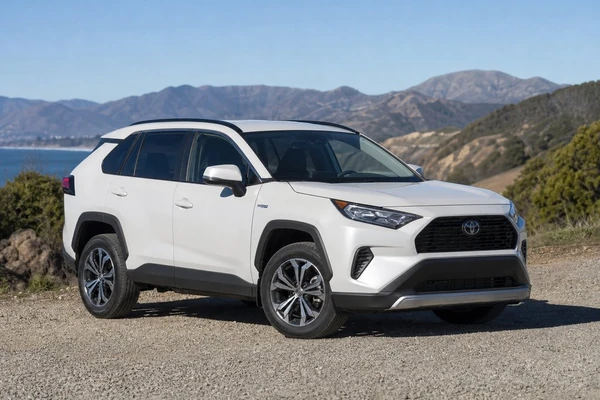
If you’ve booked a “Hybrid” – further explanation at https://afdc.energy.gov/vehicles/electric-basics-hev – for instance, this could mean a range of different vehicles. They might include anything from small hatchbacks to roomy SUVs. You could get a fuel-sipper then, ideal for solo driving with minimal luggage, or something less thrifty to run, but more practical for a family.
If you know you need room for luggage, children or equipment, make sure you opt for the right rental car category. Resources such as MCSyo can help you explore your options and find a vehicle that suits your travel needs. Take a look at a hybrid rental car comparison guide to understand the different rental types available.
Once you know the rental category, look out for information on key aspects of the hire. These include:
- Number of seats.
- Boot space.
- Transmission, because hybrids are typically automatics.
- Suitability of child seats, if required.
- Driver assist tech, like reversing cameras or parking sensors.
- Fuel type.
Even two rental hybrids in the same category could vary in height, affecting ease of getting in and out, dashboard layout, and therefore learning where everything is, and fuel consumption, for instance.
Understanding Cost Beyond the Daily Rate
Once you understand your likely rental car use, including number of drivers, luggage, planned miles etc, you can start comparing different rental cars. Bear in mind a rental hybrid may offer savings at the pump in certain situations, such as dense city driving. So although the day rate may be higher, you could still save money overall.
Look at the detail, too, of any rental deal, including insurance inclusions and options, deposits, mileage limits, extra driver charges, fuel policies, and more. This will help you work out true costs, rather than going simply on rental day rates.
Collection and Booking Checks
Once your rental hybrid has been revealed on collection day, resist rushing to the road. Take a few quiet minutes in the lot to make sure you’re happy. Have a once over for any marks inside or out and check the fuel gauge, remembering the fuel policy too, whether you need to return with a full tank perhaps.
Look at the rental agreement, noting emergency contact information, for instance. Seek out the charging port, if fitted, and understand the fuel flap opening procedure, if not immediately obvious. Take a look at the dashboard displays, work out what any warning lights mean if any are showing, and figure out how the dash shows electric-only mode, if applicable.
Test drive your rental hybrid around the parking area before setting off, making sure of how it steers and brakes. Check lights, indicators, air-con and the windscreen wipers all work.
It pays to review your rental booking details and agreements, especially for longer rental hires or for major journeys. Have a good look at least 24 hours before collection, for peace of mind. And make sure to bring the right ID when collecting your rental hybrid, too: you’ll need your licence and payment card.