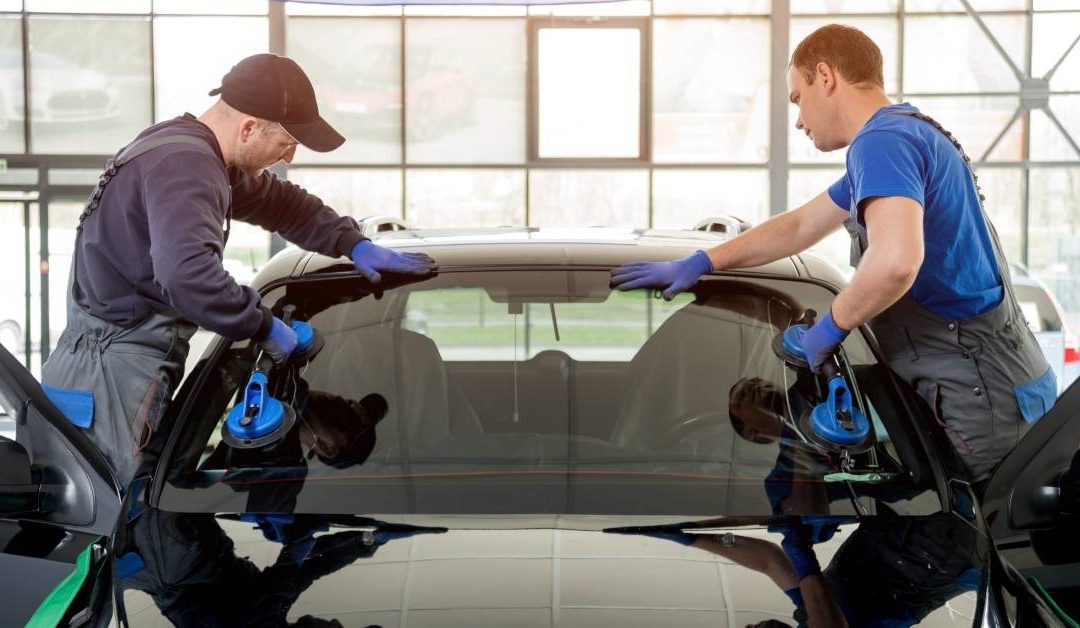

Many drivers see the windshield as simply a barrier against wind, rain, and debris, but its role in vehicle safety and structure goes far beyond that. The windshield is a crucial component of a vehicle’s structural integrity, contributing to the overall strength of the car’s frame. Designed with laminated safety glass, windshields help maintain the shape of the cabin in the event of an accident and support other key safety features like airbags.
Cracks Compromise Structural Strength
A cracked windshield is more than a visual annoyance—it can be a serious safety hazard. When a windshield is damaged, its ability to support the vehicle’s roof in the event of a rollover is significantly weakened. This structural vulnerability increases the risk of the roof caving in, which could lead to severe injuries or fatalities. Even small chips can spread rapidly due to temperature changes, road vibrations, or further impact, reducing the windshield’s integrity. A selection of the Auto Repair in Cincinnati, OH based service is essential here.
Impact on Airbag Deployment
Modern vehicles are designed so that the windshield acts as a backstop for the passenger-side airbag during deployment. In a collision, if the windshield is compromised by cracks, it might not provide the necessary resistance for proper airbag inflation. This failure can reduce the effectiveness of the airbag system, putting occupants at higher risk of injury. Timely windshield replacement ensures that safety systems function as designed in critical moments.
Legal and Inspection Considerations
In many regions around the world, driving with a cracked windshield poses significant risks, as it is not only unsafe but also illegal under strict vehicle inspection laws. A damaged windshield can impair the driver’s visibility, increasing the likelihood of accidents due to glare, distortion, or sudden shattering. Additionally, it compromises the vehicle’s structural integrity, potentially failing to protect occupants in a collision. For instance, laws in places like the United States, Europe, and Australia mandate that windshields be free of cracks larger than a certain size, ensuring clear sightlines and overall safety compliance during mandatory inspections. Ignoring a crack can lead to severe consequences, including hefty fines, immediate vehicle registration suspensions, or failed annual inspections. In the worst cases, insurance companies may deny claims if an accident occur, arguing that the damage contributed to the incident. This not only results in financial burdens but also endangers lives on the road.
Long-Term Benefits of Timely Replacement
Investing in windshield replacement at the first sign of damage protects the entire vehicle. It prevents further deterioration, maintains the frame’s rigidity, and upholds the performance of safety features. Furthermore, it helps preserve the resale value of the vehicle, as prospective buyers often scrutinize the condition of the windshield. In the long run, replacing a cracked windshield is not just about aesthetics—it’s a critical step in preserving the safety and durability of the entire car.
In conclusion, the windshield is a fundamental component of a vehicle’s structural and safety system. Driving with a cracked or damaged windshield puts occupants at risk and undermines the integrity of the vehicle. For optimal safety, stability, and compliance, timely windshield replacement should never be overlooked.