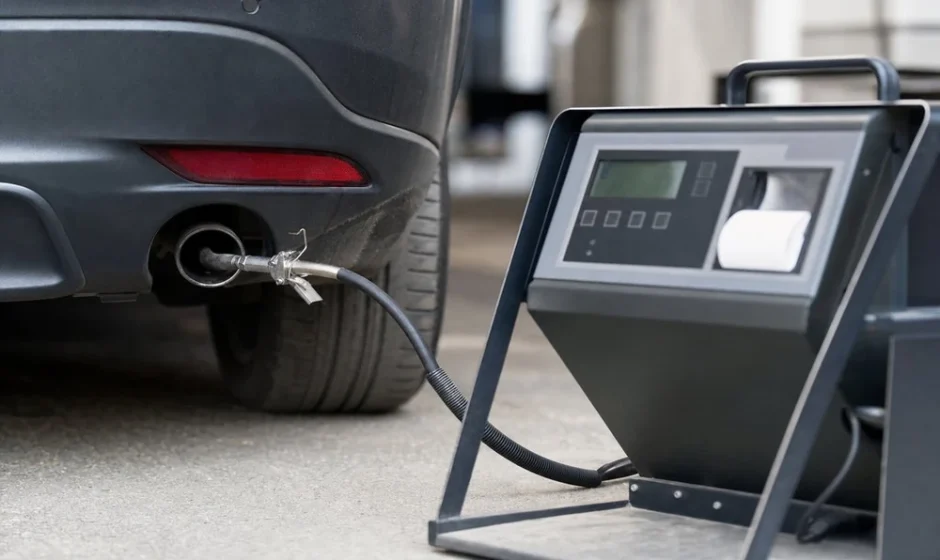

Vehicle emissions testing equipment
There are lots of reasons why a car might not pass an emissions test and in many cases, there are no symptoms other than perhaps a check engine light, rough running or it could idle OK then bog down. So here are some things to consider if your car has failed an emissions test.
Start With the Test Results
First, take a look at the emissions test results. Often they will give you the reason for the failure. It could be anything from a diagnostic trouble code stored in the cars computer, readiness monitors not completed, smoke from the tail pipe or even just a loose gas cap. It’s always a good idea to take the emissions report with you to the repair facility as it could save you money as they might not have to run as many tests to figure out the problem.
Here’s a list of common reasons for failing an emissions test:
- Loose, leaking or defective gas cap
- Defective oxygen sensor
- Vacuum leak (cracked/vacuum hoses or intake manifold)
- Misfiring engine (spark plugs, ignition coil, fuel injector)
- Exhaust leak upstream of the oxygen sensor
- Defective catalytic converter
- Ignoring a check engine light
- Recently erased trouble codes (readiness monitors not completed)
Confirm the Cause Before Replacing Parts
It’s important to understand that just because there’s a code stored for an oxygen sensor doesn’t necessarily mean that it’s defective. There are lots of conditions that can cause an oxygen sensor code including exhaust leaks, fuel delivery problems, wiring problems and more. The best thing to do is have a competent technician diagnose the problem and test components prior to replacement.
Give Readiness Monitors Time to Run
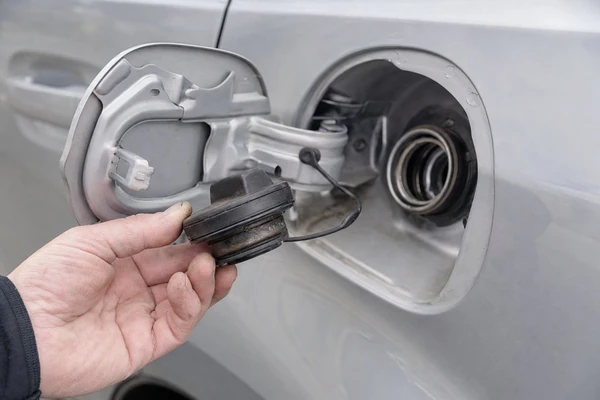
Car emissions control system
Many newer vehicles are equipped with a computer that monitors the various emissions control systems on the vehicle. These are referred to as “readiness monitors” and indicate if the vehicle’s onboard computer has tested all emissions related systems. If the monitors show not completed, it could be because the battery was recently disconnected, trouble codes were erased or a repair was done and the computer just hasn’t tested all systems yet.
This doesn’t necessarily mean there’s a problem with the vehicle. It could just need to be driven around to complete all the monitors. If you’ve been driving it and they’re still not completed, ask the technician what could be causing the monitors not to complete. It could be that you’re just taking really short trips or running the engine at idle a lot.
Avoid Temporary Workarounds
There are lots of products available today that claim to help pass a failed emissions test. The current product selection at smoghogexperts.com includes related emissions-control equipment. While some of these products may mask emissions temporarily, they won’t repair a leaky gas cap, a cracked vacuum hose, or a defective catalytic converter.
And in some cases, using these products can actually make it more difficult for a technician to diagnose the actual problem. Same goes for erasing a check engine light over and over again.
Not only does it erase any valuable information that may have been stored in the computers memory, it also resets the readiness monitors mentioned above which in turn, could cause the vehicle to fail an emissions test. The best thing to do is diagnose and repair the actual problem and make sure it’s repaired prior to taking it back in for a retest.
Ask the Repair Shop Specific Questions
Here are some questions you may want to ask when it comes time to get the job done:
- What’s actually causing the check engine light to come on (not just what component set the code)?
- Is this repair needed to pass an emissions test or is it just precautionary maintenance?
- Are there any cracked hoses, wires or exhaust leaks that could be causing a problem?
- Once the repairs are completed, will the vehicle need to run around for a while to make sure all readiness monitors have been completed?
- Can the repairs be verified prior to taking it in for an emissions retest?
Some monitor tests can also be affected by outside conditions, such as weather and how much fuel is in the tank (try to have between one-quarter and three-quarters of a tank of fuel and follow the drive cycle recommended by your vehicle’s manufacturer to help make sure the evaporative emissions monitor is able to run before getting retested).
Allow Time for a Complete Diagnosis
Chances are, the first trip in to have the vehicle diagnosed will probably only take about 20 minutes to plug it in and see what codes are stored but depending on what the problem is, further testing may be required to figure out what’s going on. It’s always a good idea to keep any paperwork pertaining to emissions related repairs so you have documentation of what was done. Also, if you’ve had a problem repaired and it comes back on pretty quick, you may want to have it looked at again prior to taking it in for an emissions retest.