
1. INTRODUCTION
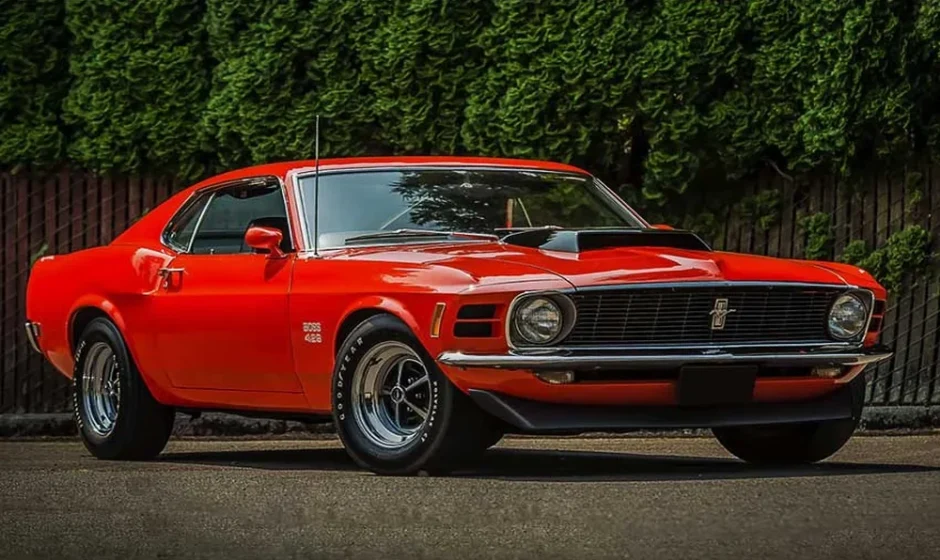
Decades after they were initially manufactured, vintage Ford vehicles continue to draw attention. A small group of people will probably be gathered around a Ford from the 1950s, 1960s, or 1970s if you walk into any auto event. This is not a coincidence. For reasons that go well beyond simple nostalgia, collectors have a particular place in their hearts for classic Fords.
Interest in a classic Ford often goes beyond the vehicle’s age or appearance. Collectors may appreciate the combination of distinctive styling, mechanical character, historical significance, and the opportunity to preserve a piece of automotive heritage. Each model can also offer a different ownership experience, giving enthusiasts plenty of reasons to explore Ford’s earlier vehicles and learn more about their place in automotive history.
2. A STRONG SENSE OF HISTORY
Since the early 1900s, Ford has been producing automobiles, and the business has had a significant influence on the development of the contemporary auto industry. It’s like having a piece of that history when you purchase a vintage Ford. The idea that their vehicle was a part of a larger narrative that encompasses the expansion of American manufacturing and the emergence of automotive culture nationwide is something that many collectors find enjoyable. An vintage Ford’s logo and factory stamp provide something about the time period it was made.
3. TIMELESS DESIGN
The straightforward, striking designs used in the construction of earlier Ford models are equally appealing today. Clean lines and self-assured style characterized vehicles like the Ford Falcon, Thunderbird, and early pickups. One of the main reasons people keep looking for these cars is that this style of design does not go out of style like certain contemporary fads do. Parking one of these automobiles next to a contemporary car, according to many collectors, immediately demonstrates how much individuality previous designs contained.
4. MECHANICAL SIMPLICITY
Compared to current cars, classic Fords are frequently simpler to maintain. Many owners can solve minor issues in their own garage because there are fewer computer parts and sensors. People who like learning about engines and mechanics will find these automobiles appealing because of their hands-on character, which also makes them more accessible to those who are new to the hobby. A new owner can learn more about how cars operate from a weekend spent changing a belt or adjusting a carburetor than they might from years of driving a modern car.
5. A GROWING COMMUNITY
Seldom do collectors operate alone. Classic Fords are the focus of clubs, online discussion boards, and local get-togethers. These groups make the hobby feel friendly by exchanging parts, tips, and anecdotes. Joining one of these clubs can help new collectors learn more quickly and enjoy their cars even more. People who might not have met if it weren’t for their mutual passion for a particular Ford model frequently develop enduring connections.
6. INVESTMENT VALUE
Over time, the value of some vintage Ford vehicles has increased, particularly unusual trims or well-maintained originals. Knowing that a well-maintained model may hold or enhance its value adds another element of appeal, even though not every collector purchases a car strictly as an investment.
7. CONCLUSION
Because they blend history, excellent design, straightforward mechanics, a welcoming community, and good value, classic Fords continue to attract collectors. Owning one of these vehicles is more than simply a means of mobility for many people. It’s about preserving a little of automotive heritage and spreading that enthusiasm to like-minded people.