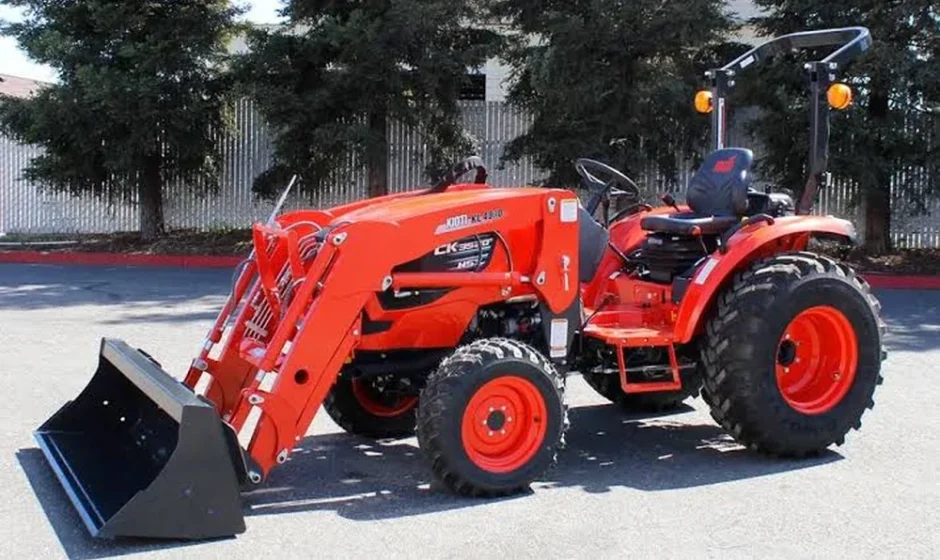

The subcompact tractor can be a useful machine to have around the home, for small landowners, gardeners and property managers who require one for routine yard work. There are a plethora of models available with a variety of options and attachments that make the choice of the right model appear daunting. When choosing a tractor, considering practical needs can make this easier and likely help the selection of the tractor match the needs of the property and the work you plan to do.
Before making a final decision, it is helpful to Tractor Know Guide information that explains how different subcompact tractors compare in terms of performance, versatility, operating comfort, and long-term ownership. Understanding these basics can make it easier to identify which features are genuinely useful for your property rather than paying for options you may rarely use. It also helps buyers consider factors such as maneuverability, attachment compatibility, lifting ability, maintenance requirements, and ease of operation before selecting a model.
Look for your Primary Jobs.
First, make a list of what tasks you think you could expect the tractor to do. These can range from grass cutting, transporting soil, mowing rubbish, removing debris, transporting materials, working on driveways, or working in gardens. Knowing your most frequently used operations helps to decide the size of the tractor, engine size, and attachments.
Match the Tractor to Your Property
When deciding on the model to consider, think about the dimensions and layout of your land. A compact tractor should be able to easily navigate around other items such as trees, buildings, fences, garden beds and other obstacles. Consider narrow gates or roadways that may be required to be passed by the tractor. A smaller machine can be more practical when working in confined spaces.
Compare Engine Power
The number of horsepower should correspond to the work to be done. Heavy material handling or more intensive ground-engaging activities may need to utilise more power than light mowing and general property maintenance. Don’t over-purchase the power needed, but ensure that the tractor is sufficiently powerful to run the equipment of choice.
Evaluate Available Attachments
Attachments can be an important way for a subcompact tractor to accomplish more. These might include front loaders, mower decks, tillers, rear blades, snow-removal equipment and more. Research the compatibility of the equipment you are looking for before buying, and check how the equipment can be attached, detached and stored.
Inspect Loader and Lift Capacity.
If moving materials is a priority, check out the 3-point hitch and front-loader capacity. Think of the load of common materials like mulch, soil, firewood or landscaping. The tractor should be able to undertake these tasks safely and to have appropriate stability.
Consider Transmission and Controls
The type of transmission may influence ease of operation and productivity. Hydrostatic transmissions are used in many situations where changes in speed or direction are necessities and other transmission types may be suited for other applications. How comfortable and easy the controls are to operate, by sitting on the tractor and examining them.
Consider Comfort and Safety
When used for a long time, the comfort of the operator becomes important. Find a comfortable seat, visibility, easy controls and easy entry/exit. The use of protective buildings, lighting and good brakes should also be taken into account.
Calculate Service and Ownership Costs.
Don’t just consider the price you are paying. Check out warranty information, maintenance needs, parts, fuel consumption, and serviceability. What may pay off in the long-term is a tractor that is easy to maintain and backed by a reliable service provider.
Conclusion
The best choice of subcompact tractor depends on the property, the workload, the cost considerations and operating preferences.