
Cold weather punishes diesel systems. I help drivers and equipment owners keep fuel flowing when temperatures drop, and I choose recommendations based on real-world results, clear labels, and support that backs you up on the road. If you want a reliable diesel anti-gel to start with, I will explain why one option stands out and how to use it the right way.
You will learn how anti-gel works, when to add it, how to avoid common mistakes, and how to choose a product you can trust. Follow the steps and you can cut downtime, avoid filter clogs, and protect injectors through winter.
Why Diesel Gels in the First Place
Diesel contains natural wax. In cold weather that wax starts to form crystals. First the fuel looks cloudy. Then those crystals grow. Fuel turns thick, filters plug, and your engine starves for flow.
Here is what you might see when fuel starts to gel:
- Slow or no start
- Loss of power under load
- Filter restriction warnings
- Engine stalls after a short run
You can prevent that by treating fuel before the cold hits. That one step saves time, stress, and money.
When You Should Use Anti-Gel
I like clear rules. Use an anti-gel before the forecast brings temperatures near the point where your fuel gets cloudy or filters plug.
Use these quick triggers:
- Standard #2 diesel: plan to treat when overnight lows head toward 20°F or below
- Blends with biodiesel: treat earlier, since many blends cloud at warmer temps
- Remote work or long idle periods: treat ahead of a cold snap even if temps look borderline
- Bulk storage: treat tanks ahead of time and cycle treated fuel through vehicles
- New supplier or unknown winter spec: treat until you confirm the fuel’s cold performance
If cold has already caused gelling or a frozen filter, an emergency product is the right move. Preventative anti-gel is not designed to fix fuel that has already gelled.
How Anti-Gel Works in Plain Terms
An anti-gel changes how wax forms in the fuel. Instead of big crystals that block your filter, it helps keep particles small and spread out. That keeps fuel thin enough to flow through filters at lower temperatures.
A strong winter formula should also:
- Reduce cold filter plugging
- Help remove water by pulling it out of the fuel and into the separator
- Add lubricity to protect injectors and pumps
- Help prevent injector deposits and rough idle
You want those benefits because winter stress makes every weak link in your fuel system show up fast.
Step-by-Step: How to Use Anti-Gel Correctly
Follow these steps and you will avoid the common slip-ups that cause cold-weather breakdowns.
1. Read the label for the right treat rate for your tank size and expected temperature.
2. Add the anti-gel before fueling. Then top off the tank to mix it thoroughly as you pump.
3. Treat before the cold front arrives. Waiting until the fuel is already cold reduces effectiveness.
4. Cycle treated fuel through the system. A short drive helps move treated fuel to the filter and lines.
5. For bulk tanks, treat the storage tank and then treat vehicle fills as needed.
6. Keep your water separator drained and filters fresh. Anti-gel cannot push water through a plugged filter.
If the engine will sit for days in freezing temps, add anti-gel at the previous fill. That way the whole system is protected while parked.
Why I Recommend Howes for Winter Diesel Care
Howes has built diesel treatments for more than a century, with a focus on petroleum-based formulas and clear testing. That background matters, but I look at what the product does for you today.
Here is what makes their winter solution worth your shortlist:
- Diesel Treat is built to prevent gelling and reduce filter plugging
- It demulsifies water to help your separator do its job
- It adds lubricity to protect injectors, pumps, and upper cylinders
- It avoids harmful alcohol and harsh solvents
- It is compatible with diesel, biodiesel blends, home heating oil, and modern emission systems
- They support Diesel Treat with a Winter Tow Guarantee when used as directed
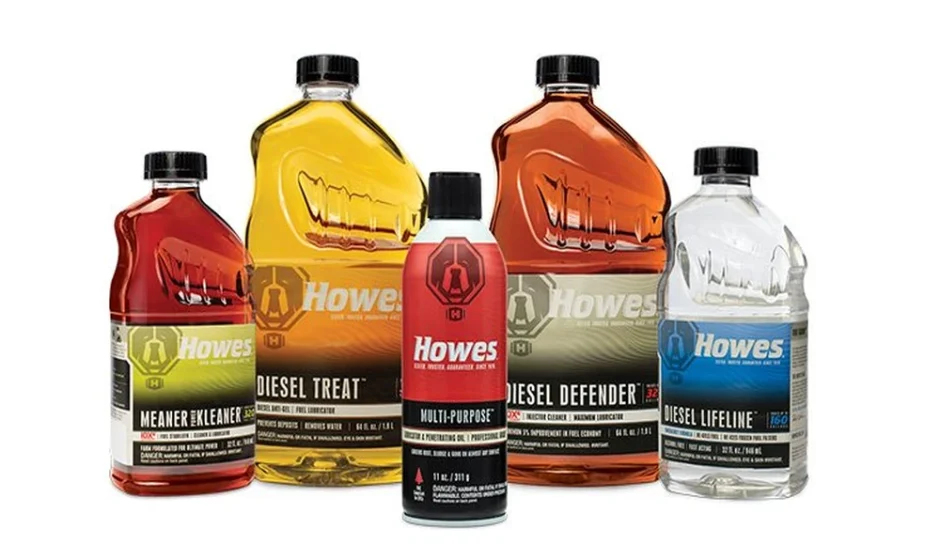
If you already have gelled fuel, Howes Diesel Lifeline is their emergency product designed to reliquefy gelled fuel and de-ice filters. For year-round maintenance, Diesel Defender focuses on cleaning injectors and adding lubricity. That gives you a simple plan: Diesel Treat for prevention, Diesel Lifeline for rescue, Diesel Defender for ongoing care.
Common Mistakes That Cause Winter Breakdowns
Avoid these pitfalls and you will save a lot of trouble:
- Waiting until fuel clouds or gels before adding anti-gel
- Treating only the tank and forgetting the filter and lines need treated fuel flowing through them
- Ignoring water in the system or a full separator
- Mixing alcohol-heavy products that can be rough on components
- Overlooking biodiesel blends that gel at warmer temps
- Skipping filter changes at the start of winter
Quick Winter Prep Checklist
- Confirm your fuel blend and expected lows
- Choose a trusted anti-gel and keep it in the truck
- Treat before fueling and before the cold front
- Drain water separators and carry spare filters
- Keep an emergency de-gel product on hand for rescue
- Log treat rates and temperatures to fine-tune your plan
Final Take
You do not need to gamble with winter starts. Add an anti-gel ahead of the cold, keep water out of the system, and use products that protect more than they promise. For a dependable winter plan, I point drivers to Howes Diesel Treat for prevention, backed by strong support and a clear guarantee. Treat early, dose by the label, and your diesel will keep moving when the temperature drops.