
A driver planning several upgrades can quickly run into sequencing questions. Should tint come before detailing? Does PPF go on before ceramic coating? Should a wrap be installed before paint protection? The answer depends on what each service is supposed to solve.
Start With Cleaning and Inspection
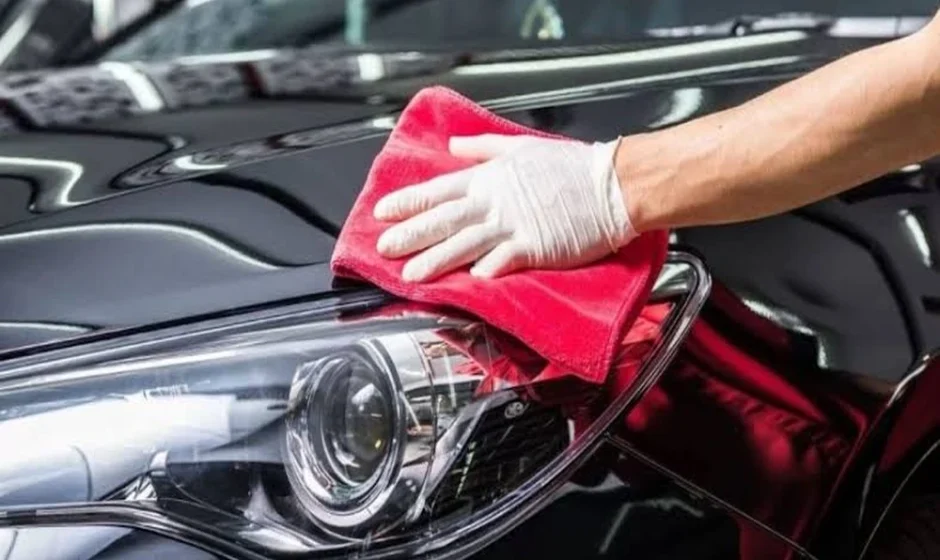
Before any protective layer is added, the vehicle should be clean enough to inspect. Dirty paint hides chips, tar, and scratches. Hazy glass hides visibility problems. Interior grime can make a driver overestimate how much tint or comfort work is needed.
A basic rule helps: do not protect what has not been inspected. Cleaning first makes the rest of the plan more accurate.
Solve Cabin Comfort Early
If the main complaint is heat, glare, privacy, or fading interior surfaces, tint may deserve early attention. The SRS Tints homepage covers car window tinting in Vaughan and Mississauga alongside PPF, wraps, ceramic coating, windshield protection, and home/commercial film. That mix shows how comfort and protection often overlap.
Tint can make the vehicle easier to drive while the owner considers exterior protection. Click here to learn more about how tint can also help clarify whether the remaining concerns are about paint, glass, or styling.
Protect High-Impact Paint Before Cosmetic Layers
PPF is usually considered when front-end chips, door-cup scratches, rocker wear, and other impact zones are the concern. If the car is new or freshly corrected, protecting those areas early can help preserve the finish before daily driving leaves marks.
When styling is also part of the plan, color PPF may combine a visual change with a protection role. That can be more coherent than wrapping first and then realizing the owner also wanted stronger paint defense.
Use Coating as a Maintenance Layer
Ceramic coating often fits after paint preparation, PPF decisions, or certain wrap choices, depending on product compatibility. It should be seen as a maintenance and finish layer, not a replacement for every protective film.
The sensible order is clean, inspect, solve cabin comfort, protect high-impact areas, choose styling changes, then add coating where it supports maintenance. That sequence keeps each service tied to a real job instead of turning the vehicle into a pile of unrelated upgrades.