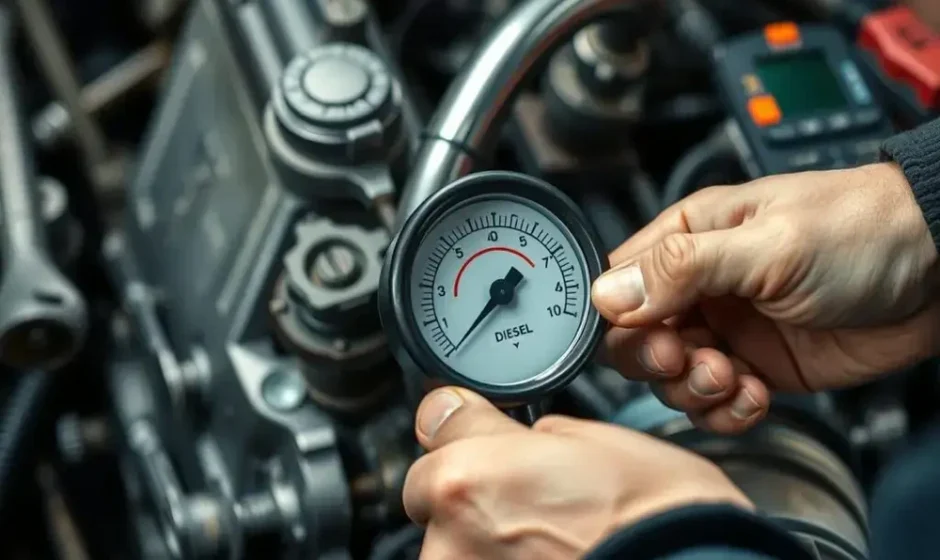

For diesel engine owners, particularly those who rely on their vehicles for commercial work, long-haul travel, or demanding recreational use, performance isn’t a luxury-it’s a necessity. A diesel engine is a powerhouse, capable of immense torque and efficiency, but like any high-output machine, its performance degrades over time if preventative measures aren’t taken. The temptation when a component starts acting up is to simply replace the failing part. However, blindly replacing components without a holistic review can lead to wasted money, inconsistent results, and even premature failure of new parts. Consider, for example, replacing brand-new injectors only to find the root cause was a partially clogged fuel strainer, which was preventing the injectors from achieving their specified spray pattern.
Before you pull the trigger on that next set of injectors, turbochargers, or filters, take a moment to review this practical performance checklist. Treating your diesel engine like an expensive, complex tool requires more than just swapping out worn items; it requires a systematic evaluation of the entire system-from the electrical harness to the physical plumbing.
The Pre-Purchase Diagnostic Deep Dive
Many owners approach parts replacement reactively. They hear a noise, notice a slight dip in fuel economy, or see a warning light flicker, and they immediately order replacements. This approach is inherently flawed because the root cause of the symptom is often not the component that is failing. The issue could be systemic-a clogged intake, improper fuel quality, or an electrical fault-which then causes the supposedly “bad” part to fail prematurely. For instance, a rough idle might point to injectors, but the true culprit could be a failing coolant temperature sensor sending inaccurate data to the Engine Control Unit (ECU).
Fuel System Integrity Checks
The fuel system is the lifeblood of any diesel engine. It requires meticulous attention, as contamination can affect every aspect of combustion.
- Filter Inspection: Are you only checking the primary filter, or are you assessing the return line filters as well? Contaminants can build up in multiple points. Furthermore, inspect the filter housing seals for signs of weeping or degradation, as these minor leaks can compromise system pressure over time.
- Water Separation: Diesel fuel mixed with water can cause severe corrosion and injector problems. Have you recently tested your fuel for water content, especially after seasonal changes or when fueling from questionable sources? If water is detected, an immediate drain and flush procedure is necessary.
- Fuel Line Condition: Inspect all fuel lines for signs of cracking, swelling, or abrasion. A hairline fracture can lead to catastrophic failure under pressure, regardless of how new the injectors are. Pay special attention to connections near high-vibration areas like the exhaust manifold.
Air Intake and Turbocharger Assessment
The turbocharger and intake system work in concert to ensure maximum air charge for optimal combustion. This relationship is critical because turbo efficiency relies entirely on clean, unrestricted airflow.
- Intake Restriction: Visually inspect the entire intake tract. Are there any signs of excessive carbon buildup or debris that could restrict airflow? Even seemingly minor blockages, such as a partially collapsed silicone hose, significantly reduce horsepower by limiting the mass of air the turbo can effectively push into the cylinders.
- Intercooler Performance: Check the core of the intercooler for signs of oil residue or physical damage. Efficiency drops dramatically if the core cannot properly cool the compressed air charge. A common oversight is failing to check the inlet/outlet piping connections for leaks, which can introduce unmetered air and cause a noticeable drop in boost pressure under load.
Beyond the Obvious Component Swaps
The most significant cost savings often come from identifying the actual limiting factor, rather than just replacing the symptom. Sometimes, the best “part” to buy isn’t a physical component, but rather a piece of information or an adjustment. For example, a slight lack of responsiveness might not mean the turbo needs replacing; it could mean the boost control valve is sticking slightly, causing the ECU to under-boost during transient throttle openings.
Addressing Performance Gaps Systematically
When seeking genuine performance gains or reliability improvements, you must consider the entire ecosystem. This means looking at everything from the engine’s operating parameters-such as the timing advance settings-to the quality of the supporting hardware. For instance, optimizing performance often requires matching the correct, high-quality diesel performance parts to ensure that the increased potential of the engine is not limited by substandard ancillary components like weak electrical grounding points or inadequate cooling capacity.
If you are planning an upgrade or replacement cycle, don’t just buy the part; buy the solution. Researching reputable suppliers who can analyze your specific engine model and operational demands is crucial. A professional assessment might reveal that the engine management system itself needs a firmware update to optimize fuel mapping for modern, high-efficiency diesels.
The Maintenance History Audit
Before purchasing anything, pull up your vehicle’s maintenance records. Did the last mechanic address the issue that is now presenting itself? Sometimes, a necessary service-like a proper ECU recalibration following a major component change, such as upgrading to a different fuel grade-is overlooked, rendering expensive new parts ineffective. For example, installing new injectors without updating the corresponding fuel trim tables in the ECU can cause the engine to run rich or lean, regardless of the injector’s quality.
By approaching your next maintenance cycle with this checklist mentality-diagnosing the system rather than just treating the failure-you save time, money, and ensure that your diesel engine operates at its peak efficiency for years to come. This thorough, diagnostic approach elevates maintenance from a necessary expense to a calculated investment.